High-integrity, investment-grade UK carbon
Carbon Plus is The Future Forest Company's investment grade nature-based carbon product — verified, traceable, and delivered from our portfolio of 12 UK sites.
Carbon Plus
What is Carbon Plus?
Carbon Plus is FFC's institutional carbon product — a portfolio of Pending Issuance Units (PIUs) sourced exclusively from our UK woodland creation and peatland restoration sites. Each PIU represents a verified promise to deliver one tonne of CO2e permanently removed from the atmosphere, converting to a Woodland Carbon Unit (WCU) or Peatland Carbon Unit (PCU) as projects mature.
Our portfolio of over 300,000 tonnes is registered on the S&P Global IHS Markit Registry and validated under the Woodland Carbon Code and the Peatland Carbon Code — the UK government's own quality assurance standards.
Carbon Plus
Why UK nature-based carbon?
UK-originated carbon carries a quality premium. Projects validated under the Woodland Carbon Code and Peatland Carbon Code meet rigorous government-backed standards — giving buyers verified, independently audited units with full traceability from site to registry.
Nature-based UK carbon also delivers co-benefits that go beyond the tonne: biodiversity restoration, native habitat creation, peatland hydrology, community access, and more. For organisations reporting under CDP, TCFD, or the UK's Transition Plan Taskforce, these documented co-benefits carry real weight.
Carbon Plus buyers receive reporting-ready units backed by the same standards used by institutional investors and UK government bodies.
Who is Carbon Plus for?
Carbon Plus is built for organisations that need high-integrity, investment grade, reporting-ready UK carbon — not a generic offset product. We work directly with buyers across the private sector, from first transaction to long-term portfolio management.
Are you one of these?
Get in touchSeasonal Co-Benefit Reporting - The IMPACT Framework
Request a sample report
1. Biodiversity Dataset
Systematic species and habitat monitoring across every FFC site. Baseline surveys, annual updates, and trend data tracking the ecological recovery of each landscape over time.
2. Woodland & Carbon Health
Growth rates, sequestration verification, canopy cover, and carbon stock data. The underlying numbers behind your PIUs, independently verified under the Woodland Carbon Code and Peatland Carbon Code.
3. Stewardship & Governance
Land management practices, certification status, audit trail, and long-term site commitments. Demonstrates that every site is actively managed — not planted and left.
4. Community & Access
Local employment created, public access provided, and community engagement at each site. Increasingly required by corporate stakeholders asking what social value your carbon investment generates.
Carbon
Why choose FFC for Carbon Plus?
Our Carbon Plus is curated to meet and exceed the Woodland & Peatland Carbon Code. If you are looking for the cheapest tonne, we are not the right supplier.
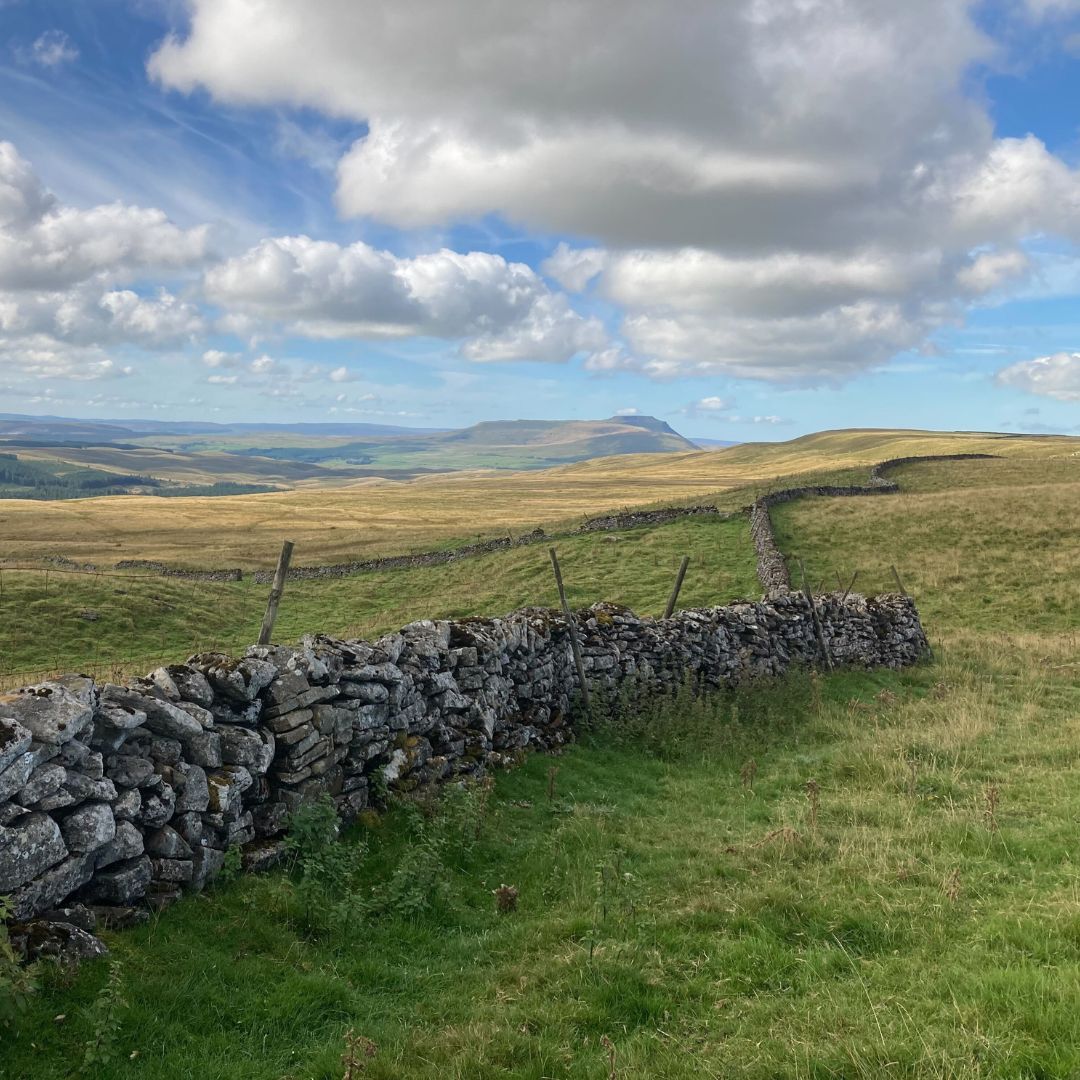
FFC is one of the UK's most active nature-based carbon producers. We have a vast, mostly unsold, portfolio from the Isle of Mull to the Yorkshire Dales — giving buyers direct, audited visibility of every project their units come from.
Woodland Carbon Project: Dumyat, our award-winning reforestation project
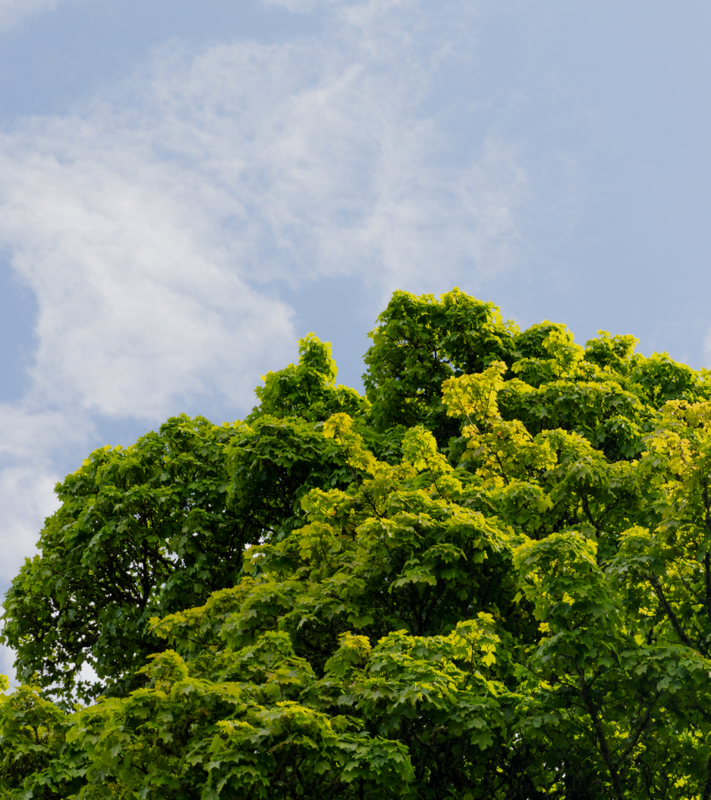
Woodland carbon refers to carbon sequestered by a woodland and comes with a host of benefits, including biodiversity and habitat creation, flood prevention, and improvements to local air and water quality.
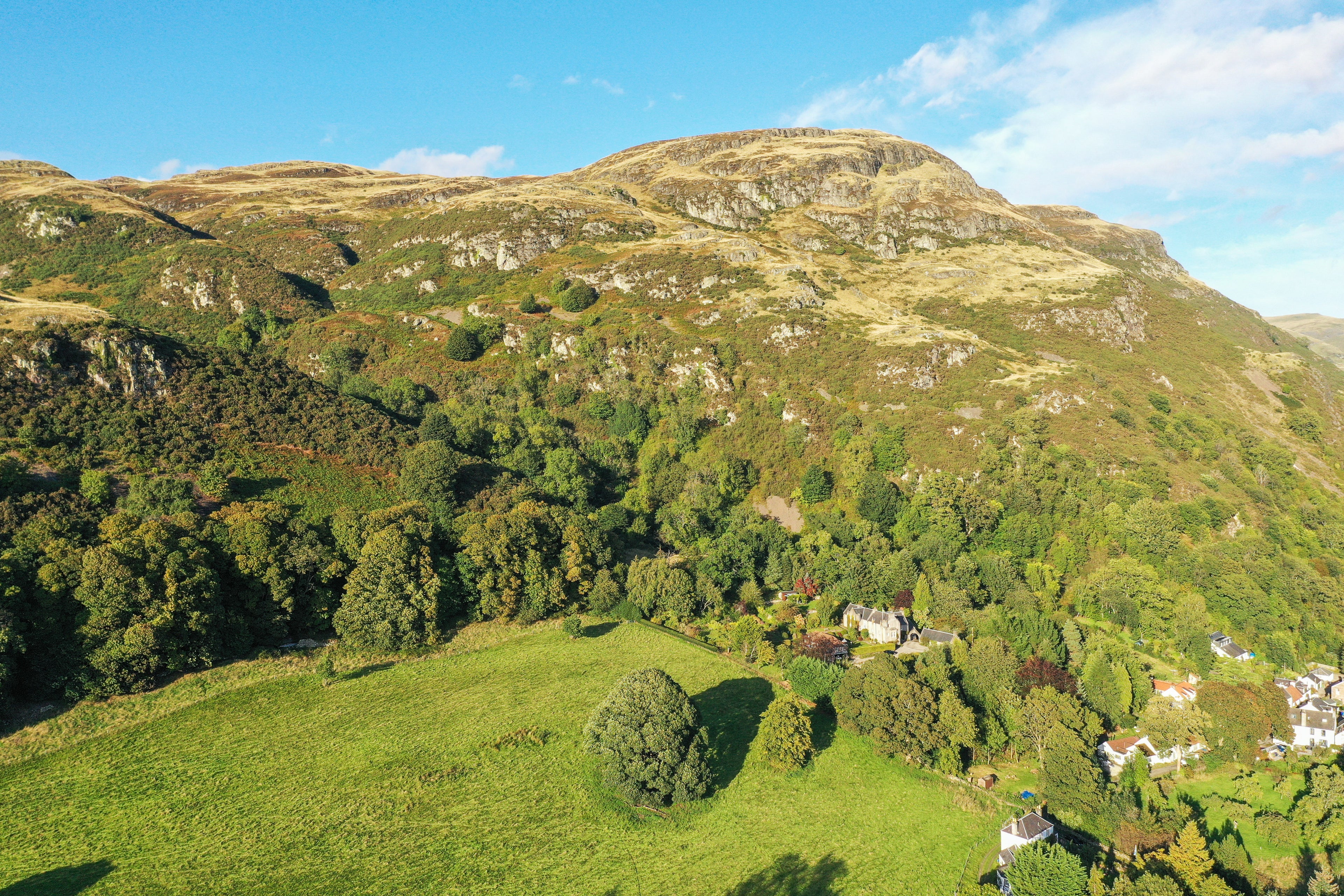
Our Dumyat site, is a treasured location in the Stirlingshire and Clackmannanshire landscape and won The Climate Change Champion Award at Scotland’s Finest Woods Awards 2023 for its contribution towards mitigating and responding to climate change.
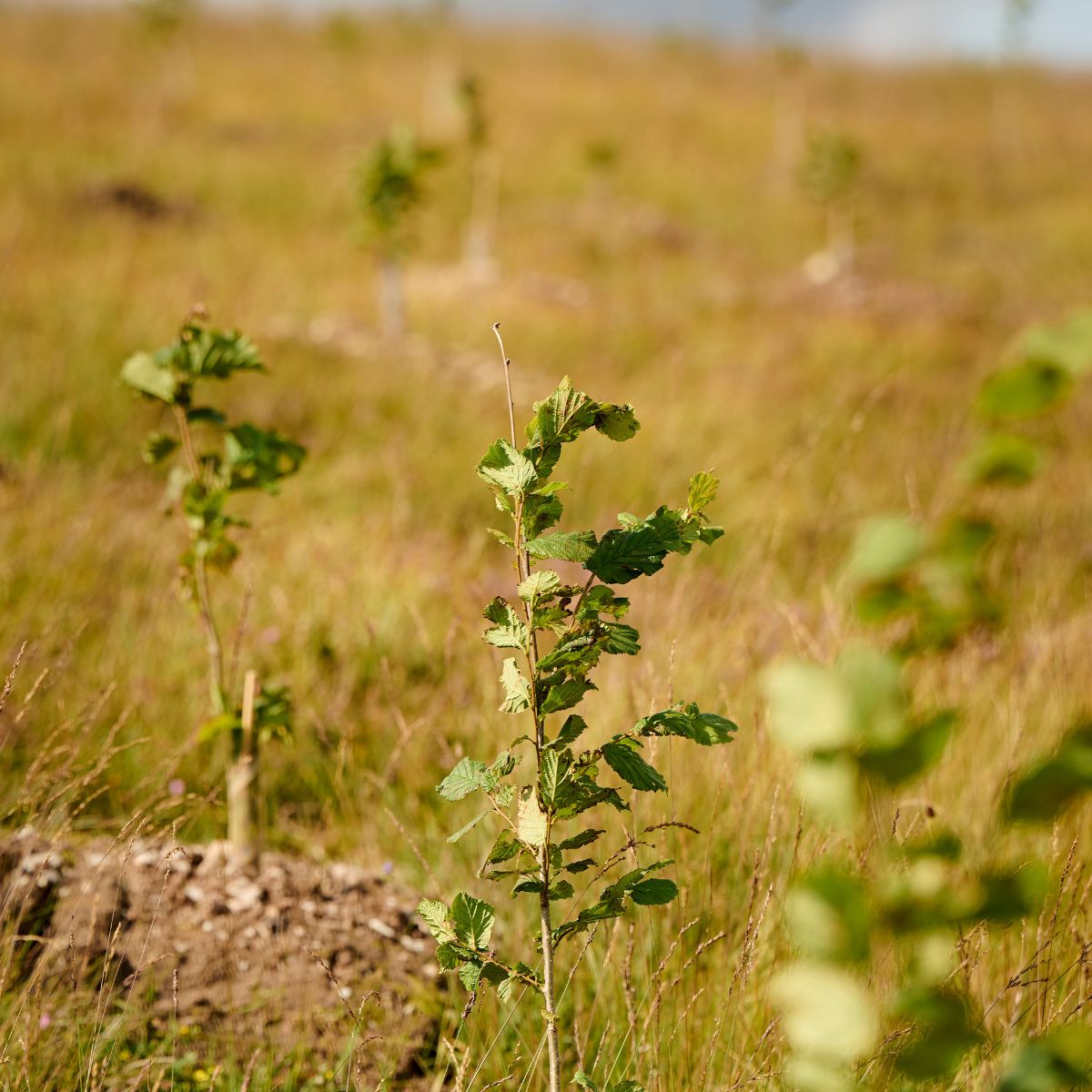
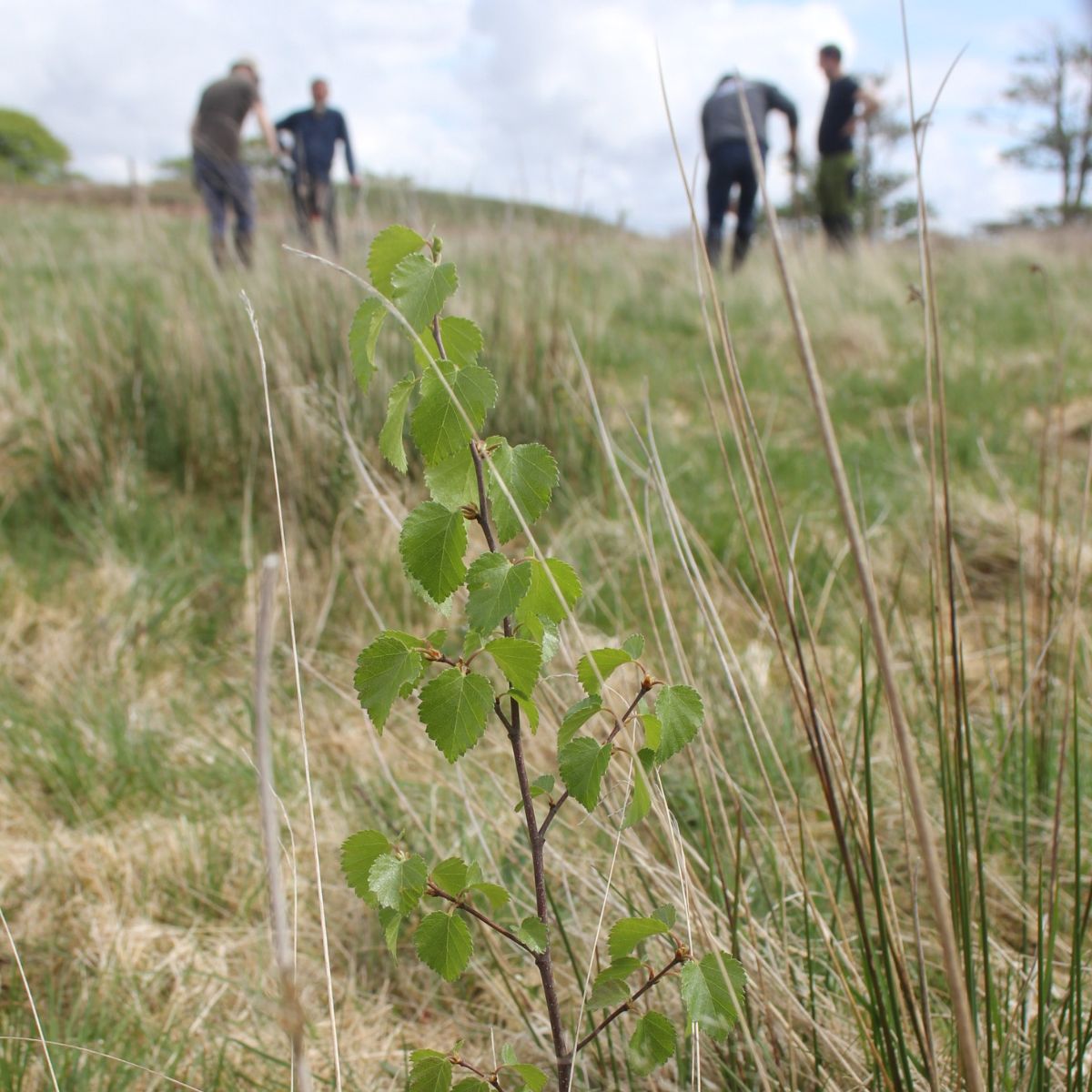
We have planted over 340k trees at the site, mainly native broadleaf and native Scots pine, to sequester an estimated 80,000+ tonnes of carbon over the next one hundred years, as well as extending existing woodland habitat networks and enhancing biodiversity.
Why choose UK Woodland Carbon projects?
All our forests are registered and validated through the Woodland Carbon Code, the UK’s government-backed quality assurance standard, to ensure that high quality verified Woodland Carbon Units are produced.
Carbon units from our woodland creation projects are currently available as PIUs. A PIU is a Pending Issuance Unit, which means a ‘promise to deliver’ a WCU (Woodland Carbon Unit) in future. PIUs will be converted to WCUs every ten years as the woodlands grow and mature.
These are available as a blended vintage, as the PIUs will mature into WCUs at different times as the trees grow. All of our carbon projects and PIUs are listed on the S&P Global IHS Markit Registry, a secure Global Carbon and Environmental Meta-Registry.
Peatland Restoration Carbon Project: Swarthghyll, Yorkshire Dales
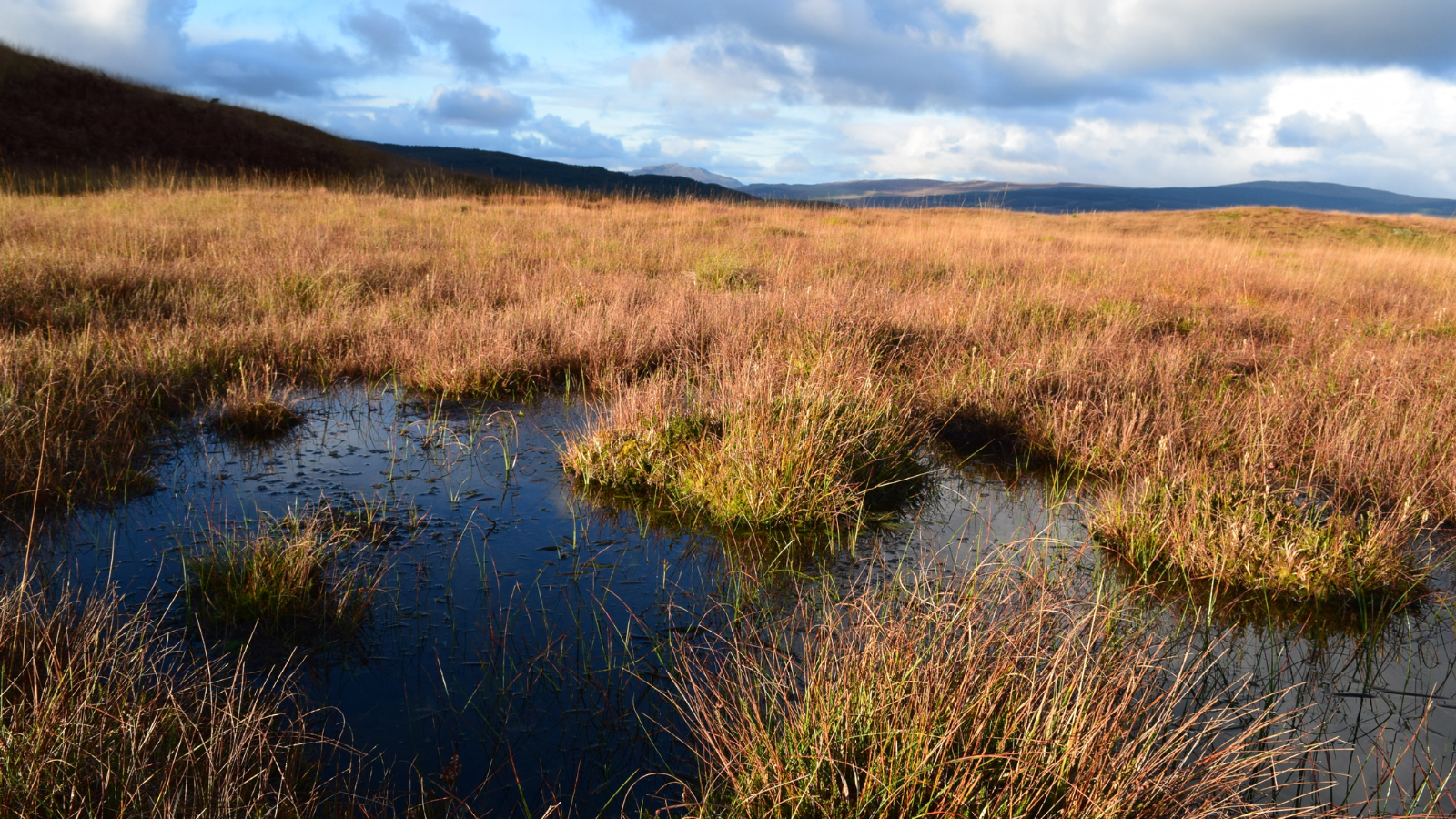
We are restoring degraded peatland on both our own and third-party sites. Peatland restoration and protection is vital in the fight against climate change due to the vast natural carbon storage properties of peatlands.
All of our peatland restoration projects are registered with The Peatland Code, the UK’s voluntary certification standard. Swarthghyll in the heart of the Yorkshire Dales was our first peatland restoration project.
With the support of Natural England and the Nature for Climate Grant Scheme, our team have restored 57.9ha of peatland. Across the projects lifetime (100years) this will result in the reduction of 9,499 tCO2e of emissions.
Why choose validated UK peatland carbon units?
Carbon units from our peatland restoration projects are validated by the Peatland Carbon Code, and are currently available for purchase as PIUs. These will be converted to PCUs (Peatland Carbon Units) every 10 years, as long as the peatland remains in good condition.
By signing up to the Peatland Carbon Code, the project is committed for the next 100 years, ensuring its continued monitoring and success long into the future.
The Peatland Carbon Code validates the PIUs and condition of the site in its first year, and then verifies the site 5 years after restoration has taken place, and then every 10 years thereafter.
Subscribe to our newsletter
Receive stories and updates straight to your inbox.